close
Celebrate for a Cause

World Environment Day 2024: Akshaya Patra’s Green Promise

environment day

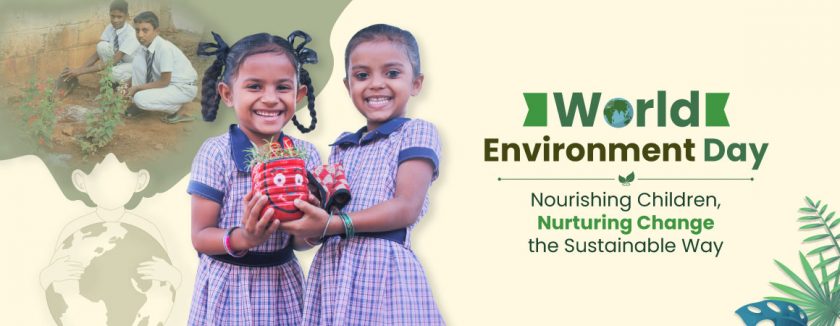
World Environment Day is observed on June 5 every year to raise awareness about the importance of preserving a clean, healthy environment and the need for everyone to take action to address environmental issues. We at The Akshaya Patra Foundation might be just a small player in environmental protection, but we will do our best. As an NGO, we strive to minimise our environmental impact by incorporating green practices in our operations.

We serve over 2.2 million children through our kitchens in 72 locations across 16 states and two union territories. Here are a few practices which we have incorporated in our kitchen operations to in our effort to contribute to a greener planet.

Renewable Energy

As part of its sustainability processes, our kitchens have made a strategic shift to renewable sources of energy through the following.

Solar Energy: In 27 kitchens, we have adopted solar energy as a power-saving option by installing solar panels. These kitchens use photovoltaic (PV) cells, which convert sunlight directly into power. The installed capacity of these solar panels is 1,991 kWh.

Biomass Briquettes: Our kitchens now use biomass briquettes instead of coal and charcoal for energy production, thus protecting finite, non-renewable resources.

Biogas: As part of our green initiative, we have set up biogas plants in 17 of our kitchens to convert organic waste into energy. These plants are cost-effective and produce organic manure, which is a more sustainable fertiliser than artificial ones and reduces reliance on LPG. The total capacity of these biogas plants is 15,000 kg.

Electric Vehicles: We have adopted 56 electric vehicles (EVs) in our fleet of mid-day meal delivery vehicles to lower our energy use and pollution levels. These measures enable us to reduce fuel expenses and lower carbon emissions.

Our goal is to transition to 50% renewable electricity by 2030 and 50% electric vehicles by 2035.

Waste Management
We actively work to minimise waste and also treat waste before releasing it into the environment.

FIFO and FEFO Implementation: Our kitchens use the FIFO (First In-First Out) and FEFO (First Expiry-First Out) techniques when issuing raw materials for production to ensure that perishable commodities are used first. This approach helps our kitchens reduce waste and maximise the utilisation of raw materials by correctly identifying, storing and retrieving the raw materials in an appropriate manner.

We also practice recycling waste such as plastic and metal waste and adopt and promote source segregation of waste.

Water Management

Yet another environmental initiative that our kitchens have implemented is the treatment of wastewater with the help of the steps below.

Effluent Treatment Plants: Every kitchen has a sewage treatment plant to ensure proper treatment, disposal and recycling of kitchen waste.

Reed Bed Plants: Our kitchens use this technology to prevent the direct release of untreated water into the environment. It is a natural method of purifying wastewater to make it suitable for use in cleaning outdoor kitchen areas and irrigation.

Our goal is to identify and execute water management solutions by 2030 to reduce non-cooking water usage by 50%. We are also looking into the feasibility of adopting rainwater harvesting at all locations by 2030.

Akshaya Patra and UN SDG 7.2

At The Akshaya Patra Foundation, sustainability is fundamental to all we do because we recognise the importance of saving the environment and conserving natural resources. By integrating environmental concerns into our operations, we are setting a precedent for corporate social responsibility projects that prioritise both social effect and environmental stewardship. Our efforts align with a key UN Sustainable Development Goal, SDG 7: Affordable and clean energy, contributing to Target 7.2: By 2030, increase substantially the share of renewable energy in the global energy mix.

We take our environment seriously. Through the aforementioned green practices, we ensure that we do our bit for a healthy planet while we serve nutritious mid-day meals to children to support their nutrition and education.

We invite you to be a part of our efforts. Together, we can create a bright future for children. Share your thoughts or donate online and join Akshaya Patra’s efforts to nourish children and nurture change in a sustainable way.

read more
Celebrate for a Cause

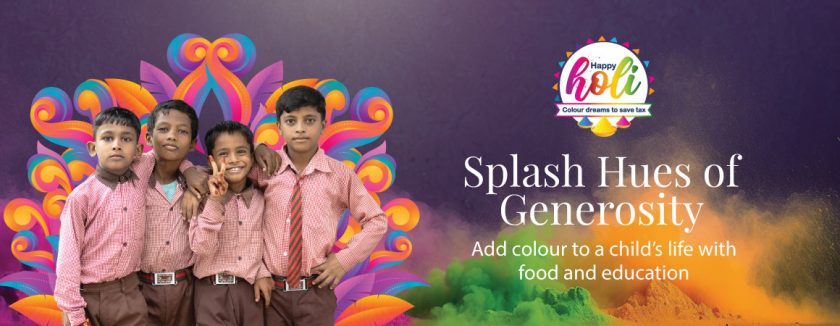
Add colour to a child’s life with food and education

holi

Holi is one of the most popular festivals in India that revels the spirit of love, unity and togetherness. On this day, people cover each other in colours and add vibrancy in each other’s lives. However, Holi has a deeper significance, which makes it worthwhile to celebrate. It is an occasion to rejoice in new beginnings – the beginning of the spring season and the triumph of good over evil.

It is celebrated every year on Purnima or the day of the full moon. It is a two-day festival and the day before Holi is known as Holika Dahan. On this day, a puja (or prayer) is held around a bonfire. The purpose of the bonfire is purging all negativity and evil. The Holi celebration takes place the following day, right after the full moon. The exchange of bright colours represents the interchange of happiness and love.

Every region of India celebrates Holi according to its own customs. For instance, Uttar Pradesh is renowned for its Holi celebrations. The liveliest Holi celebrations take place in Mathura, which is also the home of Lord Krishna. Days are spent celebrating here, with a plethora of customs, cultural events, and parades filling the streets with joy and happiness. In Vrindavan, spectacular celebrations unfold on the banks of Ganges and the streets of the city. Vrindavan is also known for Phoolon Wali Holi (Holi celebrated with flower petals). In general, the northern part of India hosts a colourful Holi celebration.

In east India, Holi is celebrated as Basanta Utsav (spring festival). In Bengal, it is known as Dol Yatra where the idols of Radha and Krishna are placed on swings and worshipped accompanied by singing of bhajans (devotional songs) and playing of colours. In Manipur, Holi is known as Yaosang in which folk dances and songs are performed under the moonlight.

Down south, the celebrations include exchange of sweets and are often limited to worshipping Lord Krishna and other temple customs.

People normally start preparing for Holi a few days in advance by purchasing sweets, water guns and gulaal (coloured powder). On the day of the festival, individuals don white attire and congregate at gatherings, in public areas or in their homes to play with colours.

What you can do this Holi

To make the most of Holi celebration and make it memorable, here are a few things that you can do:

Celebrate with family and friends

You can make this day cherishable by spending quality time with friends and family. Tune in with the festive spirit by smearing gulaal and splashing coloured water on each other. Dance to the beats of music and relish traditional dishes together. Having a good time with near ones on this day can create memories that you can cherish for a lifetime.

Celebrate by making a difference

While you rejoice with your loved ones, amplify happiness and love this Holi. You can make a difference in the lives of those with limited resources. For instance, children with water guns and colourful faces are the main attraction of Holi celebration, but many children do not have the privilege to be a part of this happiness. However, you can add colours into their lives with your compassion and generosity. You can spend time with these children and celebrate the festival. This Holi, you can also donate towards their food and education to have a long-term impact.

Colour a child’s life with Akshaya Patra

This Holi, you may make a commitment to give this day a new purpose by supporting our efforts to end classroom hunger. As we talk about fighting the evil during Holi, we want to draw attention to how critical it is to end classroom hunger. Every child enrolled in government school benefits from the mid-day meals they receive from Akshaya Patra under the government’s PM POSHAN Abhiyaan (formerly known as the Mid-Day Meal or MDM Programme).

To ensure that a child receives a high-quality education and that the learning curve is upward and continuous, adequate nutrition is crucial. Children’s hunger in the classroom is satisfied by a balanced diet, which also aids in their ability to concentrate on their studies and extracurricular activities. In addition to improving socialisation, access to healthy food solves the problem of childhood malnutrition. By encouraging parents to send their children to school on a regular basis, a healthy mid-day meal also raises enrolment and retention rates in schools.

You have the opportunity to nourish and nurture a child this Holi by contributing ₹1,500. You can choose to sponsor a child’s meals for a whole year by contributing this amount. The good news is that you can benefit from a 50% tax exemption on your donation under Section 80G of the Income Tax Act.

This Holi, as you enjoy the festival of colours, please think about brightening a life by making a donation to feed the children.

Smear Colours. Share Happiness. Feed Children. Donate Online. Save Tax.

read more
1 2 3 4 5 6 66
Page 4 of 66