
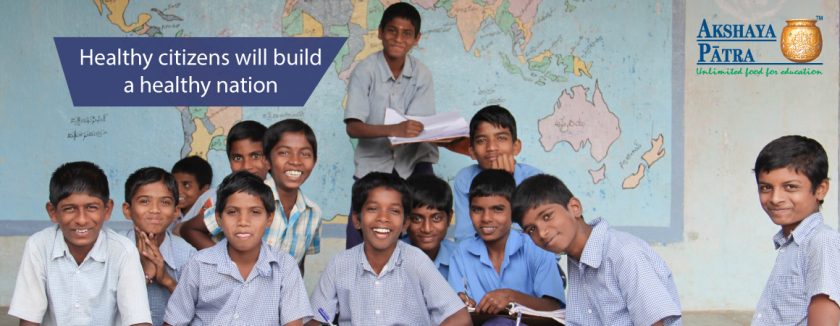
As we celebrate World Population Day on July 11, a fear that lingers in the mind of every individual is a recent report by the United Nations, which states that the population in India will cross the 1.44 billion mark by 2024. It is estimated to be more than that of China, which is the most populated country today.
The Global Hunger Index released in 2016 by the International Food Policy Research Institute (IFPRI) rates India as a country with ‘serious’ hunger levels. It further states that about 15 per cent of the population of the nation is undernourished. Adequate food intake, both in quantity and quality, is missing. It is a well-known fact that a hungry child cannot absorb lessons easily. And with the growing population, eliminating hunger should start from the basic.
There are various ways hunger affects education:
It affects their cognitive development: A child’s faculties develop during early childhood. Its brain develops quickly. Without the right proportion of protein, nutrients and energy in its meal, the child’s cognitive development would be greatly hindered. Therefore, a nutritious meal plays an importance role in the child’s development.
Increases behavioral problems: A hungry child can easily get irritated. They often face the feeling of being unattended to, may face several health conditions, would lead a stressful life, could face psychiatric distress and other conditions like depression, anxiety, withdrawal, and poor self-esteem. To raise a healthy citizen who would contribute to the positive development of the country, feeding them a wholesome nutritious meal is important.
Harms body structure and confidence levels: It is common to find that an undernourished child weighs less than his or her ideal body weight when compared to the height. Hunger can even cause weight gain, as unhealthy fare seems more appealing when hungry — especially the foods that are high in sugar and sodium. Both these conditions, caused due to hunger, can hamper their confidence levels. They could feel the need to be confined to their comfort zones, which would affect their learning.
Causes long-term health issues: Hunger leads to undernourishment, which impacts their immunity. Children who experience hunger are more likely to contract short-term and long-term diseases. This would force them to drop out of school or they might be absent for a longer duration.
Increases school dropout rate: Due to unavailability of food, children are forced to go out and take up work to sustain themselves and their families. As they grow up, the job becomes the priority and they prefer to drop out of school.
Increased efforts to reach out to all children, even in remote locations, can help us eliminate illiteracy due to hunger. Join us in our efforts to provide nutritious meals to children every day. Sponsor a child!