close
Akshaya Patra Initiative

Green Initiatives at Akshaya Patra: EV, Solar & Sustainable Kitchens

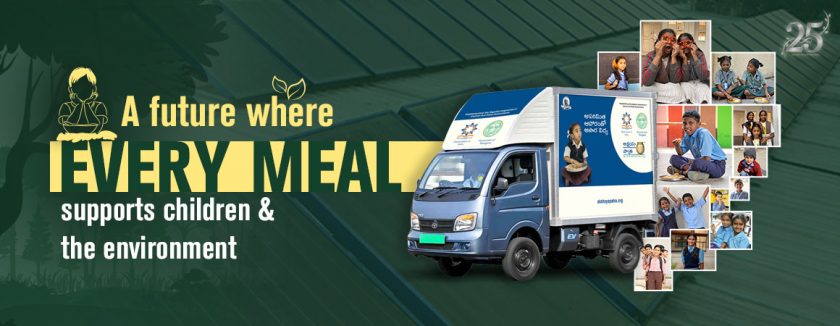
A future where every meal supports children & the environment

A nutritious school meal does far more than address hunger. Behind every meal served lies a large ecosystem of sourcing, cooking, transportation and resource management. As conversations around climate change and environmental responsibility continue to grow, the need for sustainable food systems has become increasingly important.

For large-scale feeding programmes, sustainability is no longer an additional effort. It is an operational responsibility.

The Akshaya Patra Foundation demonstrates how nutrition initiatives can support both children and the environment through efficient and responsible feeding models. By integrating operational efficiency with environmentally conscious practices, the foundation continues to show how school meal programmes can create long-term social impact.

What Does Sustainable Feeding Mean?

Sustainable feeding refers to food systems that nourish communities while minimising environmental impact and supporting long-term scalability.

This approach focuses on creating systems that are:

  • Resource efficient
  • Environmentally conscious
  • Operationally responsible
  • Socially impactful
  • Built for long-term sustainability

In school feeding programmes, this means preparing and distributing meals in ways that reduce waste, optimise resources and strengthen communities over time.

Sustainable Kitchens That Improve Efficiency

One of the defining features of The Akshaya Patra Foundation is its centralised kitchen model. These large-scale sustainable kitchens are designed to prepare high volumes of meals with consistency, hygiene and operational precision while supporting responsible resource management.

The centralised approach helps support:

  • Standardised meal preparation
  • Better inventory management
  • Reduced operational duplication
  • Improved food safety systems
  • Efficient utilisation of resources

These sustainable kitchens also make it easier to monitor and improve environmental practices across operations.

Smart Technology for Responsible Feeding

Technology plays an important role in making large-scale meal programmes more sustainable. The foundation uses automated and semi-automated cooking systems that improve consistency while reducing operational inefficiencies.

Some sustainability-focused measures include:

  • Steam-based cooking systems that optimise fuel usage
  • Solar energy integration in select kitchen facilities
  • Automated cooking processes that improve portion control
  • Efficient water usage and cleaning systems
  • Structured inventory and meal planning to minimise wastage

Even small operational improvements can create meaningful impact when multiplied across millions of meals served every day.

Many organisations are recognised as green NGOs and The Akshaya Patra Foundation continues to demonstrate how environmentally conscious systems can support large-scale social initiatives. NGOs today are increasingly adopting sustainable operational models to balance development goals with environmental responsibility.

Reducing Food Waste Through Better Planning

Food waste remains a major global challenge. Wasted food also means wasted water, energy and resources used during production and transportation.

To address this, The Akshaya Patra Foundation follows structured demand-based meal preparation systems. Meals are prepared according to actual school requirements, helping reduce unnecessary excess.

This includes:

  • Forecast-based preparation
  • Planned inventory systems
  • Standardised meal portions
  • Coordinated distribution processes

Efficient planning helps improve both operational effectiveness and responsible resource usage.

Sustainability Beyond the Kitchen

Sustainability is not only about environmental responsibility. It is also about long-term community development.

School feeding programmes contribute toward improved classroom concentration, school attendance and educational participation. Access to regular nutritious meals encourages children to stay in school and continue learning, especially in underserved communities.

The impact extends beyond individual students and contributes toward stronger families and communities over time.

Feeding the Future Responsibly

As sustainability becomes an increasingly important global priority, every large-scale NGO is being encouraged to rethink how impact is created. The Akshaya Patra Foundation continues to demonstrate that large-scale feeding programmes can support both child nutrition and responsible operational practices simultaneously.

Every meal served represents more than nourishment. It reflects a commitment toward:

  • Responsible resource management
  • Sustainable community support
  • Efficient operations
  • Long-term developmental impact

Supporting Sustainable Feeding

Individuals today are increasingly choosing to support environmentally responsible initiatives through digital giving platforms. People can now donate online to support school feeding programmes that combine child nutrition with sustainability-focused operations.


read more
#BlogToFeedAChild

Supporting Child Health with Akshaya Patra on World Health Day

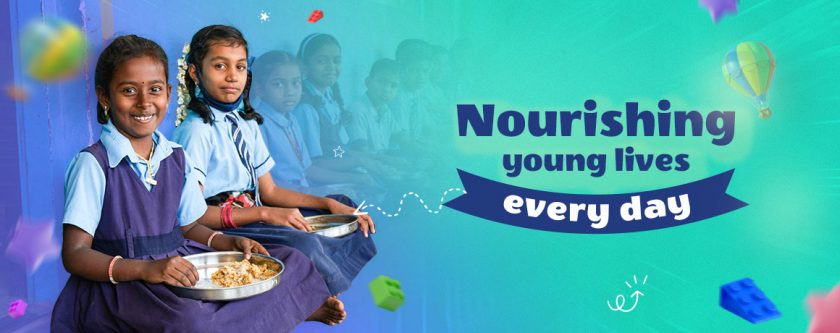
Nourishing young lives

Nourishing young lives every day

Observed every year on April 7, World Health Day highlights the importance of building a healthier world for all. Led by the World Health Organisation (WHO), this global observance raises awareness about key health challenges and encourages collective action. World Health Day is not limited to medical care, it also draws attention to everyday factors like nutrition, hygiene and access to basic necessities that shape overall well-being.

World Health Day serves as a timely reminder that good health begins with strong foundations, especially during childhood. By focusing on preventive care and healthy habits early in life, we can help create lasting positive outcomes for individuals and communities alike.

Why Child Health Needs Attention

Children represent the future and their health is central to sustainable development. Proper nutrition during the early years supports physical growth, strengthens immunity and enhances cognitive development. Without access to balanced meals, children are more vulnerable to infections, fatigue and developmental delays.

On World Health Day, the focus on child health becomes even more relevant. A healthy child is more likely to attend school regularly, stay attentive in class and actively participate in learning. In contrast, poor nutrition can create barriers that affect both health and education outcomes, making it harder for children to reach their full potential.

The Role of Nutrition in Building Immunity and Growth

Nutrition plays a critical role in shaping a child’s overall well-being. Balanced meals that include essential nutrients such as proteins, vitamins and minerals that help build stronger immune systems, support healthy weight and height, and improve energy levels.

Initiatives like the PM POSHAN initiative contribute significantly to this effort. By providing children with consistent access to nutritious food, this programme helps reduce the risk of malnutrition and supports better health outcomes with wholesome mid-day meals. It also ensures that children have the energy needed to engage in both academic and physical activities throughout the school day.

Linking Nutrition with Education Outcomes

The connection between nutrition and education is closely interlinked. Hunger can make it difficult for children to concentrate, leading to reduced classroom participation and irregular attendance. A well-nourished child, on the other hand, is better equipped to focus, learn and perform.

The programme addresses this challenge by making nutritious mid-day meals accessible within the school environment. This not only supports health but also encourages school attendance and retention. On World Health Day, it is important to recognise how such interventions contribute to both improved learning and overall development.

Nakusha

Ajmer, Rajasthan

My name is Nakusha Bhat. I study in class 8 in Rajkiya Uccha Madhyamik Vidyala Kishanpura. My mother stays at home and works in the field. My father is a driver and works from 8 in the morning till 5 in the evening. I want to become a Singer because my father and grandfather sing bhajan and everyone is interested in it. I am learning to play the harmonium.

The food we get at school comes from Akshaya Patra’s kitchen. They serve dal and rice, khichdi, naan khatai and fruits like banana and guava. I like khichdi and naan khatai the most.

Rahul

Chittorgarh, Rajasthan

My name is Rahul Gadri. I study in Class 5 in Rajkiya Ucch Madhyamik Vidyalaya, Sirodi, in Chittorgarh. My parents, Roshanlal Gargi and Ranidevi and my elder brother, Hitesh, are farmers. I take care of the family’s livestock. I milk the buffaloes, bathe them, take them out for grazing and even make dung cakes for fuel. My whole day goes by spending time with my buffaloes. I want to start my own animal husbandry centre. I will complete graduation because to run a business, you need to be educated too. I enjoy milk, daliya and dal-rice served at school. The food is tasty.

Our Role as an NGO in India

As an NGO in India, we are part of a broader ecosystem working towards child health and nutrition. At Akshaya Patra, our efforts are centred on providing freshly cooked meals to children in government schools, with a focus on quality, safety and nutritional value.

Through our work, we aim to support better immunity, sustained energy levels and consistent school participation among children. We recognise that addressing hunger is an important step towards improving both health and education outcomes at scale.

A Collective Responsibility

World Health Day reminds us that ensuring child health is a shared responsibility. Governments, organisations, communities and individuals all have a role to play in creating a supportive environment where children can thrive.

If you would like to contribute to this effort, you can choose to donate online and support the nutrition of children who rely on school meals. Even small contributions can help extend access to nutritious food and make a meaningful difference.

Moving Towards a Healthier Future

On World Health Day, the importance of consistent, everyday actions becomes clear. Ensuring access to nutritious meals is one such step that can have a lasting impact on a child’s life.

By supporting initiatives like the PM POSHAN programme, we move closer to a future where children are healthier, more active and better prepared to learn and grow.

read more
1 2 3 65
Page 1 of 65